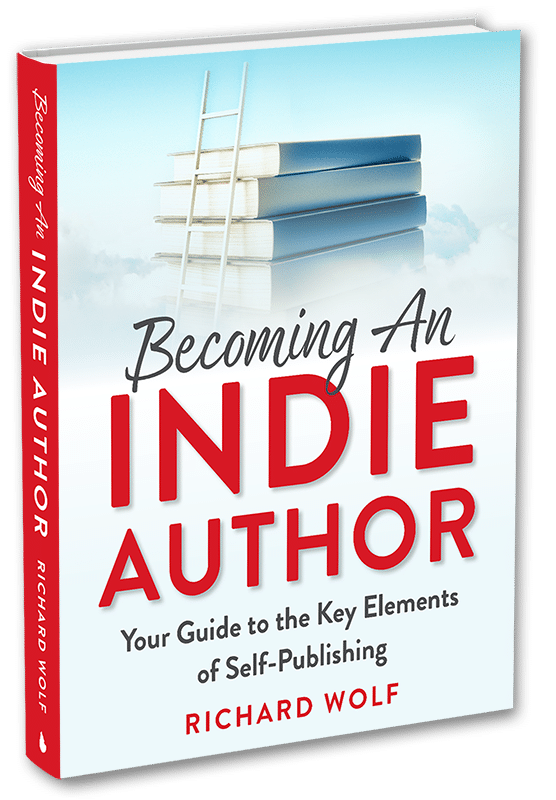

This post is part of The Indie Author’s Journey, a series exploring the practical steps and mindset shifts that turn writers into published authors. If you missed the previous posts, you can start from the beginning here.
Editing is often the most misunderstood stage of the publishing process. Many writers see it as correction, or worse, criticism, when in reality, editing is collaboration. It’s the stage where a manuscript becomes a book, where you evolve from a writer to an author, and where you begin to see your book through the eyes of the reader.
Professional editing isn’t about fixing mistakes for the sake of perfection. Nor does it mean you are not a good writer. In turn, editing is about clarity, cohesion, and ensuring your work communicates what you intend it to—clearly and effectively—to readers.
The Three Main Types of Editing
Editors may use slightly different terms or group these stages differently, but most professional editing services fall into the following three categories.
Developmental Editing
Developmental editing looks at the big picture. This includes structure, pacing, organization, character development, narrative arc, and the manuscript’s overall effectiveness. For nonfiction, it may focus on argument flow, clarity, and reader takeaway.
A developmental editor asks questions like:
- Does this story or message hold together?
- Are there gaps, redundancies, or structural issues?
- Is the book delivering what it promises to the reader?
This type of editing often happens before the manuscript is fully polished and may involve revision rather than correction.
Line / Copy Editing
Often combined into a single stage, copy or line editing focuses on how the writing reads on the page. This stage of editing focuses on how the writing flows on the page. It looks at sentence structure, word choice, tone, and voice. The goal is not to change your voice, but to strengthen it.
A line editor helps refine:
- Clarity and readability
- Sentence rhythm and pacing
- Consistency of tone and style
This is where your good writing becomes more confident and engaging writing.
Proof Editing
Also known as proofreading, proof editing addresses the technical details. Grammar, punctuation, spelling, consistency, and adherence to the style guide all fall under copyediting.
A copyeditor ensures:
- The text is clean and consistent
- Errors don’t distract or undermine credibility
- The book meets professional publishing standards
Proof editing is often the final editorial pass before layout and formatting.
I’m Great at Grammar. Can I Skip Editing?
No. Skipping editing will severely undermine your book. Unedited or under-edited books don’t just affect readers—they affect writers. When errors, inconsistencies, or structural issues appear in a published book, readers lose trust. Reviews reflect that loss, and authors often carry unnecessary self-doubt afterward.
Skipping editing doesn’t protect your voice or your budget in the long run. It usually creates bigger problems later, and those problems are harder to fix once a book is published.
Editing as Collaboration, Not Criticism
A good editor isn’t there to dismantle your work. They’re there to help you see it more clearly. Editors bring experience, objectivity, and reader-awareness to a manuscript that an author—no matter how skilled—cannot fully bring to their own work.
The strongest books are not the least edited ones. They are the most thoughtfully edited.
The Bottom Line
Editing doesn’t mean you failed. Instead, it means you care enough to make the book as strong as possible. Remember, editing is not the enemy of creativity. It’s one of its most important allies.
We always tell authors that if they have a limited budget for their book, they should spend most, if not all of it, on editing. A well-edited book with a so-so cover can still do very well with readers. But a fantastic cover with a so-so editing job will not.
I’d love to hear your questions or comments. Please send me a message here.

This post is part of The Indie Author’s Journey, a series exploring the practical steps and mindset shifts that turn writers into published authors. Up Next: Crafting Your Book’s Identity.