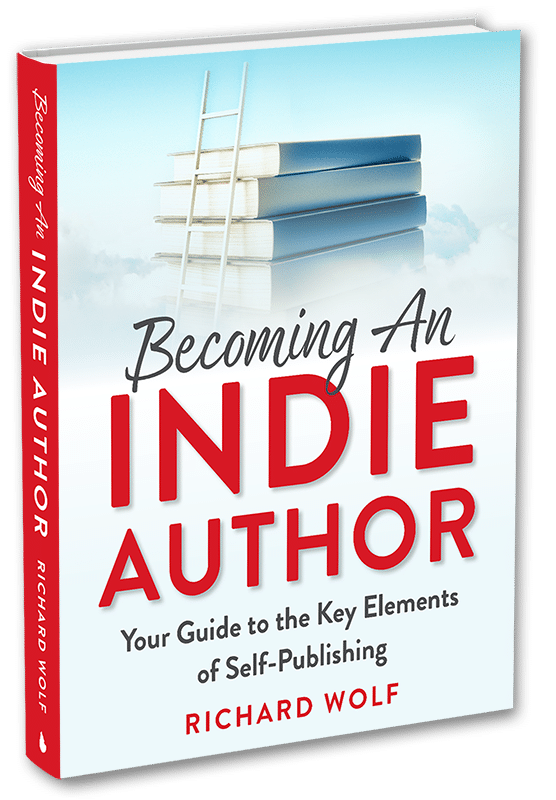

This post is part of The Indie Author’s Journey, a series exploring the practical steps and mindset shifts that turn writers into published authors. If you missed the previous posts, you can start from the beginning here.
One of the most common questions authors ask is, “Where should I publish my book?” The more useful question is: “What do I want this book to do?”
Choosing a publishing path isn’t about trends or shortcuts. It’s about aligning your platform choice with your goals, your audience, and the long-term life of your book.
There Is No Single “Best” Option
Independent publishing offers more choices than ever, and with that flexibility comes confusion. And, couple that with many different and conflicting opinions online, you may find yourself paralyzed by confusion.
Different platforms serve different purposes, and understanding those differences allows you to make intentional decisions rather than reactive ones.
Common Publishing Paths (and What They’re Best At)
Amazon KDP
KDP is often the entry point for indie authors, and for good reason. It’s accessible, fast, and tightly integrated with Amazon’s marketplace.
KDP works well for:
- Amazon-focused sales
- Ebooks and print-on-demand paperbacks
- Authors prioritizing speed and simplicity
It’s especially effective when Amazon is your primary sales channel.
IngramSpark
IngramSpark specializes in wide distribution. It makes books available to bookstores, libraries, and online retailers beyond Amazon.
IngramSpark works well for:
- Authors seeking bookstore and library access
- Hardcover editions
- A more traditional retail footprint
- Additional online buying options
It’s often used alongside KDP rather than instead of it.
Hybrid Approaches
Many professional indie authors use more than one platform—choosing each tool for what it does best. For example, one platform for Amazon sales and another for wide distribution. This may seem redundant, but it can be the best strategy for your goals.
Match the Platform to the Book’s Purpose
A memoir, a business book, a novel, and a workbook may all benefit from different publishing paths, even if written by the same author.
Ask yourself:
- Where are my readers most likely to buy this book?
- Is this book meant to build authority, generate income, or support another offering?
- Do I want speed, reach, control, or all three in balance?
There’s no wrong answer—only mismatched ones.
Common Misconception: “Wider Is Always Better”
More distribution doesn’t automatically mean more sales. Each platform comes with its own requirements, costs, and expectations. Publishing widely only makes sense if it supports your goals and your ability to market effectively. Intentional reach beats unfocused reach every time.
The Bottom Line
Your publishing platform is not your identity, but rather a strategic tool to meet the goals you established for your book. When you strategically choose a publishing path, you give
I’d love to hear your questions or comments. Please send me a message here.

This post is part of The Indie Author’s Journey, a series exploring the practical steps and mindset shifts that turn writers into published authors. Up Next: Building An Author’s Toolbox.