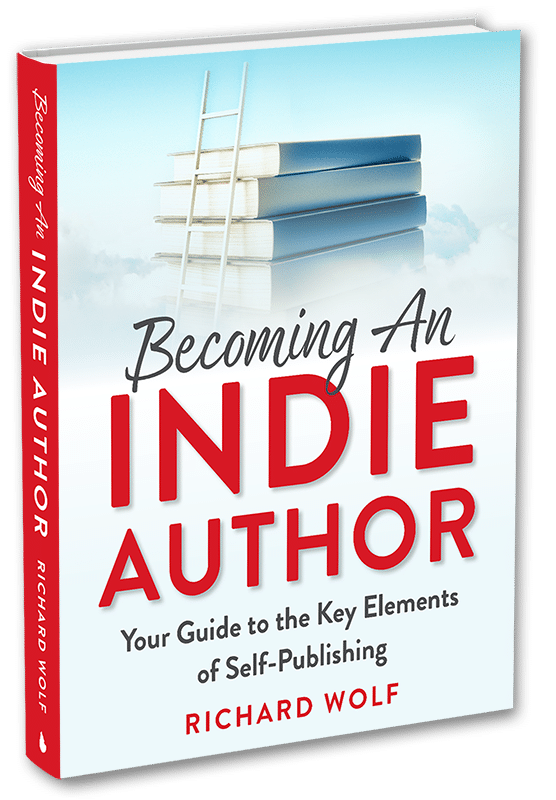

Finishing a manuscript is a huge achievement. For most authors, it takes months or even years of focus, courage, and persistence to finally see their work completed and ready to share with the world. However, when the writing is complete, the work of transforming it into a book is only just beginning.
If the goal is to self-publish your book and offer it via an online sales channel, here are three things to consider:
- Creative, professional design matters more than you think.
A strong, well-written manuscript can be undermined by a cover that looks homemade or an interior that feels clunky. Readers judge quickly (by the cover!), and if the book doesn’t look like it belongs on the shelf, most won’t take the time to find out whether it reads well.
A custom-designed cover will elevate your book and help it stand out against traditionally published titles. Your book will stand out in the genre while fitting still in, which is the best combination for any book design.
Professional interior formatting is necessary for not only a well-presented book that rivals those traditionally published, but is also critical for ease of reading, which is often overlooked by both amateurs and do-it-yourselfers.
- Publishing and distribution aren’t one-size-fits-all.
Self-publishing platforms such as KDP and IngramSpark make it easy to upload a file—but not all platforms serve the same goals. Some prioritize speed, some control, some distribution reach, and some affordability. The wrong choice can mean wasted money, missed opportunities, or a book that gets lost online. - The “last mile” is where credibility is won or lost.
Writing coaches, editors, and authors all invest deeply in getting the words just right. But if the final stage (design, publishing, and launch) is rushed or handled poorly, the entire project can suffer, and a book that could have elevated or started an author’s career, or expanded business opportunities, ends up as something they quietly regret.
Writers don’t always expect these hurdles, and the people guiding them—coaches, editors, even supportive friends—often feel pressure to have all the answers.
That’s why design and publishing strategy are worth thinking about as early as possible. The smoother the handoff from draft to finished book, the more likely the project ends in pride, not disappointment.
If you’re a coach, editor, or writer who wants to dive deeper into the design and publishing aspects, I share more insights and resources regularly. And yes—this is the kind of work Rich and I do with clients, but even if you never work with us, I hope this gives you a clearer map of what lies beyond the manuscript.
I’d love to hear your questions or comments. Please send me a message here.